


Introduction: Why Lightweighting Has Become a Strategic Imperative
Across global transportation systems, one objective now cuts across every design brief: reduce weight without compromising safety or performance.
From electric vehicles and metro rail to high-speed trains and mass transit infrastructure, lightweighting directly impacts:
- Energy efficiency and range
- Emissions and regulatory compliance
- Payload capacity
- Lifecycle cost and sustainability
Aluminium extrusions have emerged as a cornerstone material enabling lightweight, high-performance transportation systems at scale.
This blog explores how aluminium extrusions are reshaping electric vehicles, railways, and modern transportation, and why they are central to the future of mobility.
Understanding Lightweighting in Transportation Engineering
Lightweighting is not simply about replacing steel with aluminium. It is a systems-level design philosophy that combines:
- Material selection
- Structural optimization
- Functional integration
- Manufacturing efficiency
Aluminium extrusion enables engineers to redesign components from the ground up, achieving weight reduction through geometry and integration, not just material substitution.
Why Aluminium Extrusion Is Ideal for Lightweight Transportation
Aluminium extrusions offer a rare combination of properties that transportation systems demand:
- High strength-to-weight ratio
- Excellent energy absorption
- Corrosion resistance
- Design flexibility for complex shapes
- Compatibility with automation and modular assembly
- Full recyclability
These advantages become even more critical as transportation systems electrify and scale.
Electric Vehicles: Aluminium Extrusions Powering the EV Architecture Shift
EV-Specific Design Challenges
Electric vehicles introduce new engineering priorities:
- Heavy battery packs
- Thermal management requirements
- Structural crash safety
- Maximized driving range
Every kilogram saved contributes directly to range extension and energy efficiency.
Key EV Applications of Aluminium Extrusions
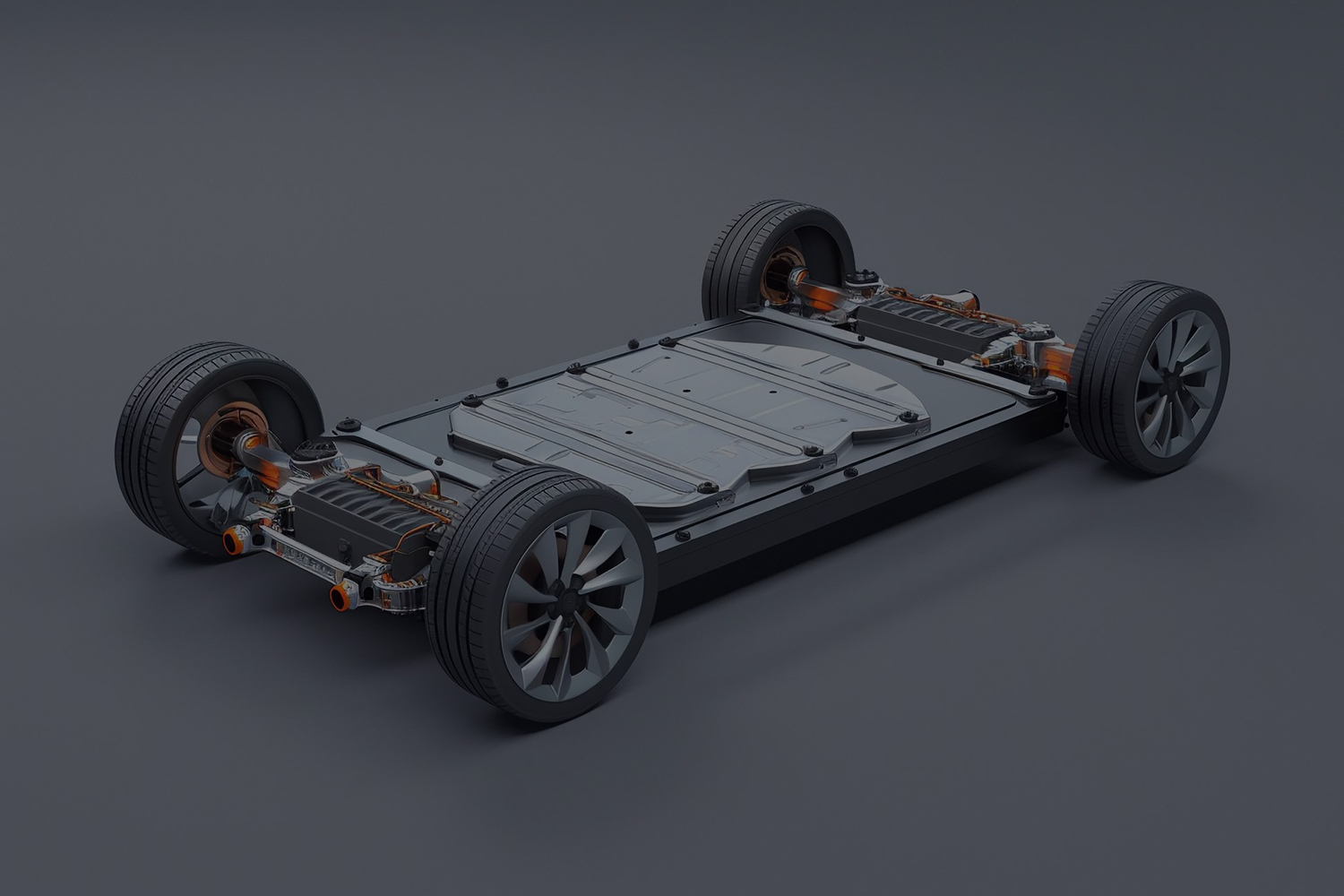
- Battery enclosures and trays
Lightweight, rigid, and thermally stable structures - Side sills and crash management systems
Optimized hollow profiles for energy absorption - Chassis and sub-frame components
Reduced mass with maintained stiffness - Motor housings and cooling profiles
Integrated thermal and structural functions
Extrusion enables multi-functional profiles that combine strength, cooling, and mounting features in a single section.
Trend: Large, Integrated Extruded Structures
EV OEMs are increasingly replacing assemblies of stamped and welded steel parts with large, integrated aluminium extrusions.
Benefits include:
- Reduced part count
- Improved dimensional accuracy
- Faster assembly
- Lower lifecycle emissions
This trend strongly favors manufacturers with large-scale press capability and advanced die engineering.
Railways and Metro Systems: Strength Meets Weight Efficiency
Why Weight Matters in Rail Transport
In rail systems, reduced weight delivers:
- Lower traction energy consumption
- Reduced track wear
- Higher passenger capacity
- Improved acceleration and braking
Lightweight railcars also support higher operating efficiency over decades of service.
Aluminium Extrusion Applications in Railways
- Coach body structures and sidewalls
- Roof and flooring systems
- Door frames and interior modules
- Equipment housings and underframe components
Extruded aluminium profiles provide:
- Structural rigidity
- Fire safety compliance
- Long-term corrosion resistance
High-Speed and Urban Rail Requirements
Modern rail systems demand:
- Tight tolerances
- Long, straight profiles
- Predictable mechanical behavior
Advanced aluminium extrusion manufacturing ensures:
- Dimensional stability over long lengths
- Uniform performance across large production volumes
Public Transport and Commercial Vehicles
Buses, Trucks, and Mass Transit
Aluminium extrusions are increasingly used in:
- Bus body frames
- Floor and roof structures
- Load-bearing rails and supports
Weight reduction in commercial vehicles leads to:
- Higher payload capacity
- Lower fuel or energy consumption
- Reduced operating cost
Modular Transport Systems
Extrusion supports modular vehicle design, allowing:
- Faster customization
- Easier maintenance
- Scalable production
This is especially important for fleet operators and public transport authorities.
Safety and Crash Performance
Energy Absorption Through Geometry
Aluminium extrusions can be engineered with:
- Multi-cell hollow sections
- Controlled deformation zones
- Progressive collapse behavior
This allows structures to:
- Absorb crash energy efficiently
- Protect occupants
- Meet stringent safety regulations
Lightweight does not mean weak. With extrusion, it often means smarter and safer.
Sustainability Benefits in Transportation
Lower Operational Emissions
Reduced vehicle weight leads to:
- Lower energy consumption
- Extended EV range
- Reduced emissions per passenger or kilometer
Over the lifecycle of a vehicle or rail system, this impact is substantial.
Aluminium’s Circular Advantage
- Aluminium can be recycled repeatedly without loss of properties
- End-of-life vehicles become valuable material sources
- Supports circular economy objectives
This aligns with global transport sustainability mandates and ESG goals.
Manufacturing Advantages for Transportation OEMs
Aluminium extrusion supports:
- High repeatability
- Automation-friendly production
- Reduced joining and welding
- Faster ramp-up for new models
For OEMs, this translates to shorter development cycles and scalable manufacturing.
Why Transportation OEMs Prefer Integrated Extrusion Partners
Transportation programs are long-term and high-volume. OEMs prioritize partners who offer:
- Design and engineering support
- Custom extrusion capability
- Large-scale press infrastructure
- Consistent quality and traceability
Integrated manufacturers reduce risk across the entire product lifecycle.
VAEC Aluminium Extrusion Pvt Ltd: Supporting the Mobility of Tomorrow
VAEC Aluminium Extrusion Pvt Ltd is aligned with the evolving needs of transportation and mobility sectors.
With strengths in:
- Large and complex extrusion capability
- Precision die design and simulation
- Integrated billet casting and quality control
- Scalable production for OEM programs
VAEC supports lightweight, high-performance aluminium solutions for EVs, railways, and modern transportation systems.
Conclusion: Lightweighting Is the Future of Mobility
The future of transportation is:
- Electric
- Efficient
- Sustainable
- Lightweight by design
Aluminium extrusions enable this future by delivering structural performance with reduced mass, design flexibility, and long-term sustainability.
As mobility systems evolve, aluminium extrusion will remain a core enabler of safe, efficient, and future-ready transportation.


