


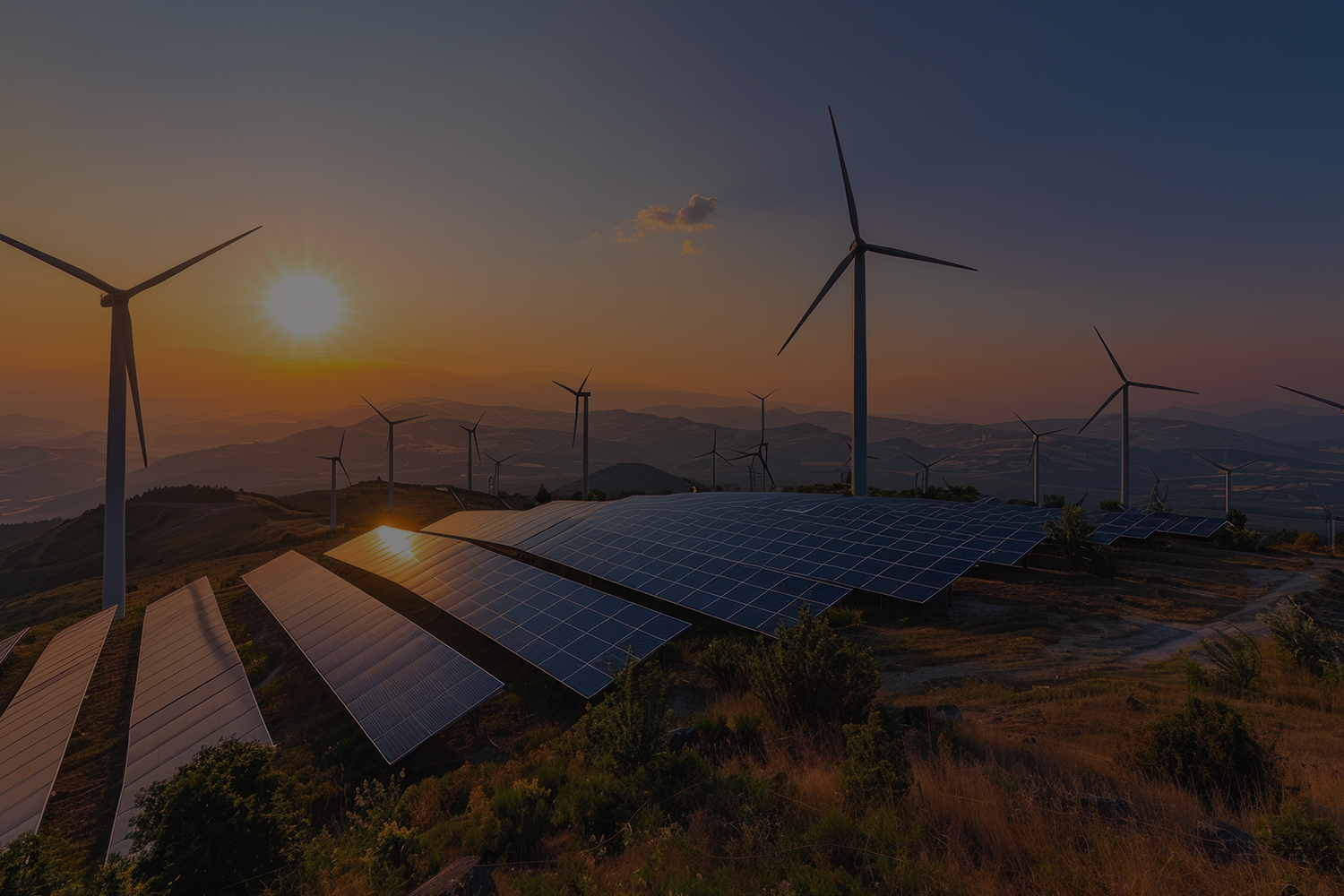
Introduction: Renewable Energy Needs Materials Built for the Long Term
Solar and renewable energy projects are designed for decades of continuous operation. Once installed, systems must perform reliably with minimal maintenance while exposed to:
- UV radiation
- Heat and thermal cycling
- Wind loads and vibration
- Dust, humidity, and salinity
Material choice directly impacts project uptime, lifecycle cost, and return on investment. Aluminium extrusions have become the backbone of modern renewable energy systems because they combine structural efficiency, corrosion resistance, and design flexibility at scale.
This blog explains why aluminium extrusions are central to solar and renewable energy projects and how design, durability, and corrosion resistance drive long-term performance.
Why Aluminium Extrusion Is Ideal for Renewable Energy Systems
Renewable installations demand materials that are:
- Lightweight yet strong
- Easy to transport and install
- Resistant to harsh outdoor environments
- Compatible with modular, scalable designs
- Sustainable across the lifecycle
Aluminium extrusion meets all these requirements while enabling engineering-led optimization rather than overdesign.
Design Flexibility: Engineering for Performance and Speed
Extrusion Enables System-Level Design
Extrusion allows designers to integrate multiple functions into a single profile, such as:
- Structural load-bearing capacity
- Mounting slots and channels
- Cable management pathways
- Drainage and airflow features
This integration reduces:
- Part count
- Assembly time
- Installation errors
For EPCs, faster installation directly improves project economics and timelines.
Custom Profiles for Site-Specific Conditions
Solar and renewable projects vary widely by:
- Geography
- Wind and seismic loads
- Soil conditions
- Corrosion exposure
Custom aluminium extrusions allow:
- Tailored cross-sections for local loads
- Optimized material usage
- Improved structural safety margins
This adaptability is a major advantage over generic steel sections.
Solar Energy Applications of Aluminium Extrusions
Module Frames
- Lightweight and corrosion-resistant
- Dimensionally stable for precise module fit
- Compatible with anodizing for long-term protection
Mounting Structures
- Fixed-tilt and adjustable systems
- Rooftop, ground-mounted, and floating solar
- Engineered for wind uplift and seismic loads
Tracker Systems
- Precision profiles for moving components
- High stiffness with low mass
- Reduced motor and drive loads
Extrusion supports high-volume consistency essential for utility-scale projects.
Durability: Built to Withstand Harsh Environments
Natural Corrosion Resistance
Aluminium forms a protective oxide layer that:
- Prevents rust
- Resists moisture and pollutants
- Performs well in outdoor conditions
This makes aluminium ideal for:
- Coastal installations
- Desert environments
- Industrial zones
Enhanced Protection Through Surface Treatments
For long service life, aluminium extrusions can be:
- Anodized for superior corrosion resistance
- Powder coated for environmental durability and aesthetics
These finishes extend operational life to 25–30 years and beyond, aligning with renewable project lifecycles.
Corrosion Resistance: A Critical Economic Factor
Why Corrosion Resistance Matters
Corrosion leads to:
- Structural weakening
- Maintenance interventions
- Downtime and energy loss
Aluminium’s resistance minimizes:
- Maintenance costs
- Replacement frequency
- Long-term risk
This is especially important for remote or utility-scale solar plants.
Performance in Coastal and High-Salinity Zones
In coastal regions, aluminium extrusions with proper surface treatment outperform many alternatives by:
- Maintaining structural integrity
- Preserving fastener interfaces
- Ensuring long-term reliability
This makes aluminium a preferred material for coastal solar and wind installations.
Lightweighting Benefits in Renewable Projects
Lower weight delivers tangible benefits:
- Reduced transport costs
- Easier manual handling
- Faster installation
- Lower foundation requirements
Across large solar parks, these advantages translate into significant cost and time savings.
Structural Performance Under Wind and Seismic Loads
Aluminium extrusions can be engineered to:
- Distribute loads efficiently
- Resist uplift and torsion
- Maintain stiffness with minimal material
Simulation-driven die design ensures predictable performance under dynamic environmental loads.
Sustainability and Circularity in Renewable Energy
Aluminium’s Circular Advantage
- 100% recyclable without loss of properties
- High recycled content reduces embodied carbon
- Strong end-of-life value
For renewable energy developers, aluminium supports:
- ESG commitments
- Green procurement criteria
- Lower lifecycle emissions
Manufacturing Consistency for Large-Scale Deployment
Utility-scale projects require:
- High-volume consistency
- Tight dimensional tolerances
- Reliable delivery schedules
Advanced extrusion manufacturing ensures:
- Uniform profiles across thousands of units
- Reduced on-site adjustment
- Faster commissioning
Why EPCs and Developers Prefer Integrated Extrusion Partners
Integrated partners offer:
- Custom design collaboration
- Scalable extrusion capacity
- Fabrication and finishing readiness
- Single-point accountability
This reduces project risk and improves execution speed.
VAEC Aluminium Extrusion Pvt Ltd: Powering Renewable Infrastructure
VAEC Aluminium Extrusion Pvt Ltd supports solar and renewable energy projects through:
- Custom and standard extrusion solutions
- Durable, corrosion-resistant profile design
- Consistent quality for large-scale deployment
- Manufacturing aligned with sustainability goals
VAEC enables reliable, long-life aluminium structures that support the global transition to clean energy.
Conclusion: Renewable Energy Needs Materials That Last
Solar and renewable energy systems are long-term investments. Their success depends on materials that deliver:
- Structural reliability
- Environmental durability
- Installation efficiency
- Sustainability across the lifecycle
Aluminium extrusions meet these demands and continue to enable faster, cleaner, and more resilient renewable energy infrastructure.


