


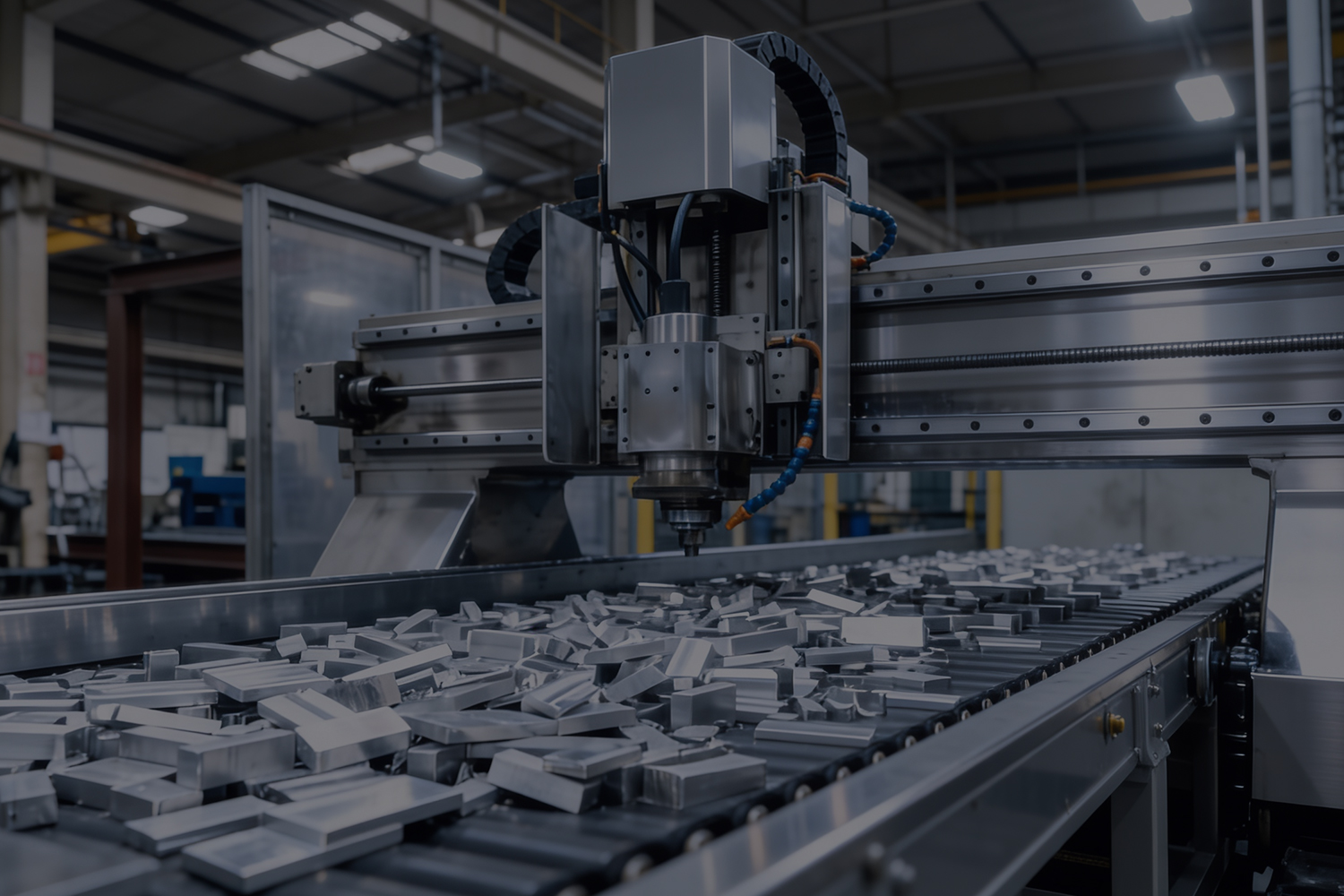
Introduction: Sustainability Has Become a Manufacturing Mandate
Sustainability in aluminium manufacturing is no longer a future aspiration. It is a present-day requirement driven by:
- Global decarbonization targets
- Customer ESG expectations
- Regulatory compliance
- Investor and stakeholder scrutiny
For aluminium extrusion plants, sustainability now directly influences market access, supplier selection, and long-term competitiveness.
Modern extrusion facilities are being redefined by two core pillars:
- High-efficiency aluminium recycling
- Energy-optimized extrusion operations
Together, these are transforming extrusion plants into cleaner, smarter, and more responsible manufacturing systems.
Why Aluminium Is Inherently Sustainable
Aluminium has a unique advantage among structural materials.
- It is 100% recyclable
- It can be recycled without loss of mechanical properties
- Recycling requires up to 95% less energy than primary aluminium production
- Recycled aluminium retains high economic value
This makes aluminium a cornerstone material for the circular economy.
Extrusion plants that harness this potential effectively gain a powerful sustainability advantage.
Recycling: The Backbone of Sustainable Extrusion Manufacturing
Understanding Aluminium Recycling in Extrusion Plants
Recycling in extrusion plants involves:
- Internal scrap recovery (butts, off-cuts, process scrap)
- External scrap sourcing (post-industrial and selected post-consumer scrap)
- Controlled remelting and billet casting
Modern plants aim to maximize recycled content without compromising quality.
Closed-Loop Recycling Systems
Advanced extrusion manufacturers operate closed-loop recycling, where:
- Scrap generated during extrusion and fabrication
- Is segregated by alloy
- Remelted in-house
- Cast into new billets
- Reintroduced into production
This approach:
- Minimizes raw material waste
- Reduces dependency on primary aluminium
- Improves cost stability
- Lowers carbon footprint per kg
Alloy Control in Recycled Billets
A common misconception is that recycled aluminium means lower quality. In reality, sustainability and quality coexist through metallurgical discipline.
Modern billet casting lines use:
- Spectrometers for chemical analysis
- Melt filtration and degassing systems
- Controlled scrap blending
This ensures recycled billets meet the same mechanical and surface quality standards required for industrial, automotive, and infrastructure applications.
Energy Efficiency: Reducing the Carbon Footprint of Extrusion
Where Energy Is Consumed in Extrusion
Energy consumption in extrusion plants primarily comes from:
- Billet heating furnaces
- Extrusion press hydraulics
- Quenching and cooling systems
- Heat treatment and aging ovens
Improving efficiency across these stages delivers significant environmental and economic benefits.
High-Efficiency Billet Heating
Modern furnaces feature:
- Precise temperature control
- Optimized heating cycles
- Reduced heat loss
- Uniform billet soaking
Benefits include:
- Lower energy consumption
- Reduced scrap from overheating
- Improved extrusion consistency
Energy-Optimized Extrusion Presses
New-generation extrusion presses are designed for:
- Higher hydraulic efficiency
- Regenerative energy systems
- Reduced idle energy loss
Large-scale presses, when optimized, often consume less energy per kg of extruded aluminium than smaller, inefficient systems.
Heat Recovery and Smart Cooling
Advanced plants recover waste heat from:
- Furnaces
- Press systems
- Aging ovens
Recovered heat is reused for:
- Pre-heating billets
- Facility heating
- Process optimization
This significantly improves overall energy efficiency.
Digitalization and Smart Energy Management
Sustainable extrusion plants increasingly rely on digital tools to monitor and optimize performance.
Key technologies include:
- Real-time energy monitoring systems
- Predictive maintenance analytics
- Process optimization software
- Data-driven quality and yield tracking
These systems help:
- Identify energy losses
- Reduce downtime
- Optimize process windows
- Improve sustainability reporting
Reducing Scrap and Improving Yield
Sustainability is not only about recycling. It is also about not generating waste in the first place.
Advanced extrusion plants reduce scrap through:
- Simulation-driven die design
- Stable extrusion parameters
- Improved billet quality
- Automated handling systems
Higher yield means:
- Less remelting
- Lower energy use
- Reduced carbon footprint
Water Management and Environmental Responsibility
Modern plants also focus on:
- Closed-loop water cooling systems
- Reduced water consumption
- Responsible effluent treatment
This ensures compliance with environmental regulations and supports responsible industrial growth, especially in water-sensitive regions.
Why Sustainability Matters to OEMs and Global Buyers
From a buyer’s perspective, sustainable manufacturing delivers:
- Lower Scope 3 emissions
- Compliance with ESG frameworks
- Reduced regulatory risk
- Alignment with customer and investor expectations
Many global OEMs now require:
- Carbon footprint data per kg
- Recycled content declarations
- Environmental audits
Suppliers without sustainable operations risk losing access to premium markets.
Sustainability as a Competitive Advantage
Sustainable extrusion plants benefit commercially by:
- Lower energy cost per unit
- Better raw material utilization
- Stronger brand credibility
- Long-term resilience against regulation and price volatility
Sustainability is no longer a cost. It is a strategic advantage.
VAEC Aluminium Extrusion Pvt Ltd: Building Responsible Manufacturing
VAEC Aluminium Extrusion Pvt Ltd is aligning its manufacturing philosophy with global sustainability expectations through:
- Integrated billet casting with recycling focus
- Energy-efficient extrusion press operations
- Process optimization and yield improvement
- Commitment to responsible and future-ready manufacturing
This enables VAEC to support customers seeking high-performance aluminium solutions with reduced environmental impact.
Conclusion: Sustainability Is Redefining the Extrusion Industry
The future of aluminium extrusion belongs to manufacturers who combine:
- Technical excellence
- Operational efficiency
- Environmental responsibility
Recycling and energy efficiency are no longer optional initiatives. They are core pillars of modern extrusion manufacturing.
As industries move toward cleaner supply chains, sustainable extrusion plants will become the preferred partners of global OEMs.


